The mountain,
measured.
Motion sensors on your bike — plus the phone already in your pocket.
Every lean, pump
and landing — a number.
loading the run…
scroll ↓
Motion sensors on your bike — plus the phone already in your pocket.
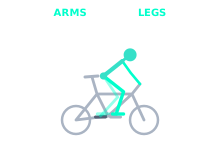
Every metric gets the camera angle that shows the movement — and the instrument that measures it.
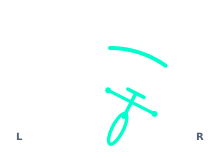
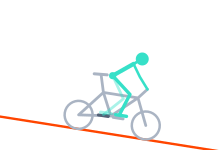
The frame puck measures the bike's tilt against the trail surface itself — a berm isn't cheating, it's the trail. As the lean deepens, the corner load climbs: the same sensor reads the G-force squeezing bike and rider into the dirt.
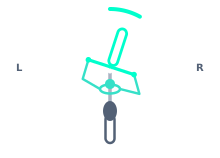
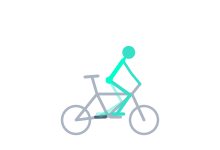
One puck rides the handlebar, one rides the frame. When they disagree, you're steering; when they agree, you're leaning. No single sensor can tell those apart — the pair can, every degree of it.
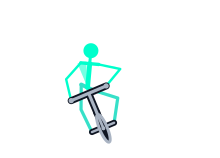
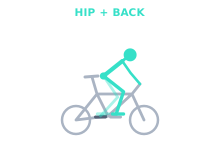
The chest puck and the frame puck each measure their own lean — subtract them and the cornering force cancels out, leaving pure technique: how much daylight you keep between your body and a laid-over bike.
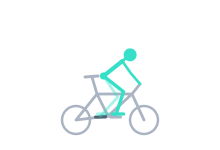
Press the bike into the backside of a roller and it accelerates; float the face and it rests. The frame puck sees each press and how much free speed it earned — watch the number climb with zero pedal strokes.
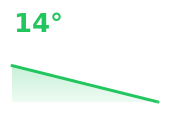
Grade is the number every other reading gets judged against: the same lean, the same braking, the same speed all mean different things at 12° and at 24°. Your phone's barometer and GPS give the trail's real pitch. The body sensors give the other half — whether you're standing tall and driving the bike, or collapsed and along for the ride.
Speed in km/h and metres of descent come from the phone's GPS and barometer, not from anything you can see in a clip.
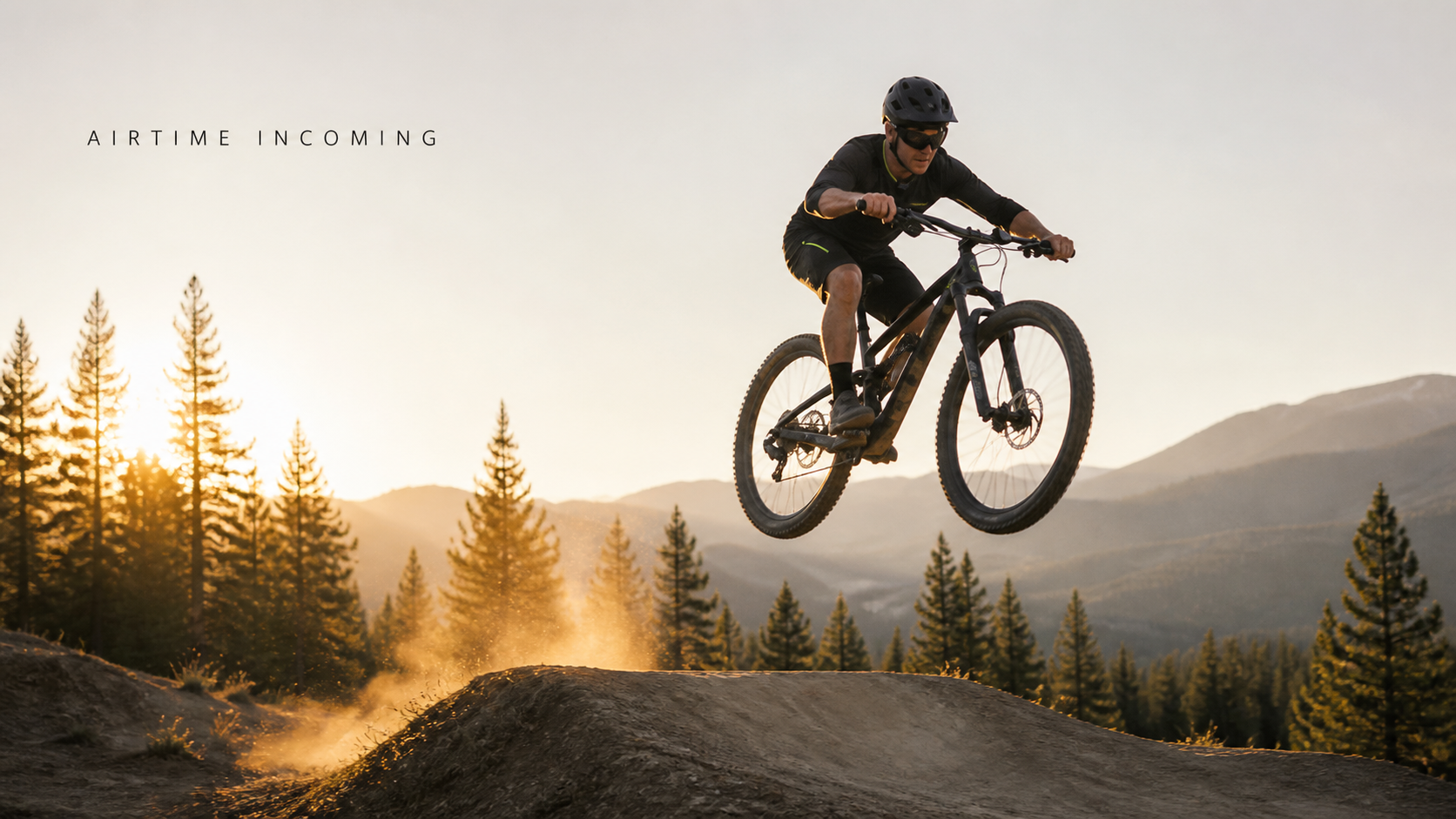
The full airtime sequence is being built. For now, this is the moment that matters: rider and bike leave the ground together.
Centered and ready at the lip: the rider stays balanced over the bike as both ends unload into the jump.
Which end arrives first — front or rear — sets the landing shape. That order is the first useful split in the replay.
The fork/front and rear/frame sensors see the landing at each end. Compare the response as a relative impact, never shock travel or fake newtons.
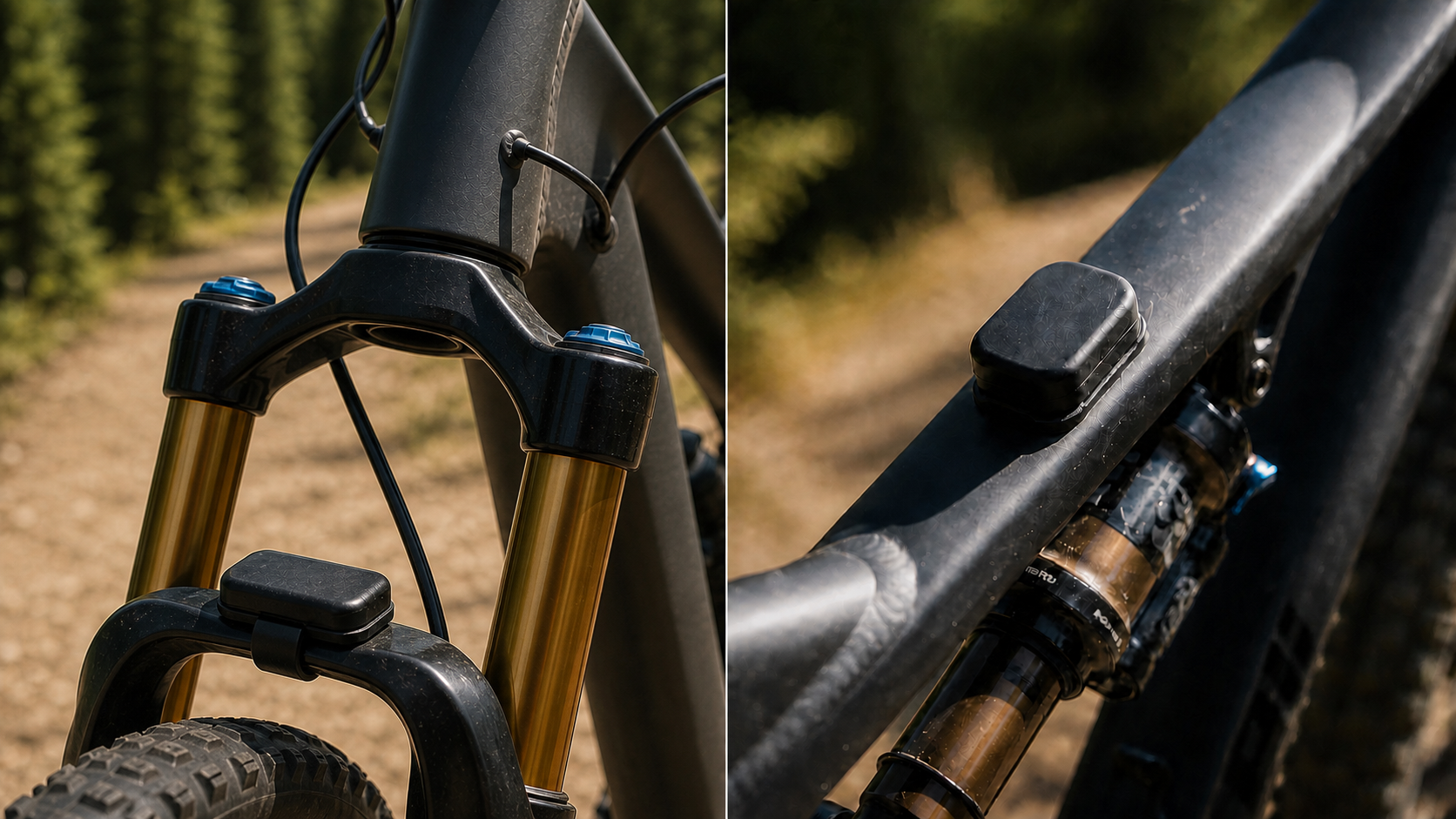
Left: the Fork sensor is strapped on top of the lower bridge between the gold tubes. Right: the Rear shock sensor sits on the rear shock/frame. Together, the two pictures show the front and rear reference points for the same run.
Then we ride the same section, compare how each end responds, change one setting, and ride it again — looking for repeatable differences, not a made-up shock-travel number.
The signal is a relative activity and impact trend — not shock travel in millimetres or a damping verdict.
Place the Fork sensor on top of the lower bridge between the gold fork tubes, centered and ready to read the front end.
Mount the Rear shock sensor on the rear shock/frame area so the back end has its own reference.
Ride the same line, compare front and rear response, adjust one setting, and repeat.
No wires, no lab, no setup ritual. Each sensor watches one part of the story; your phone stitches them into one ride.
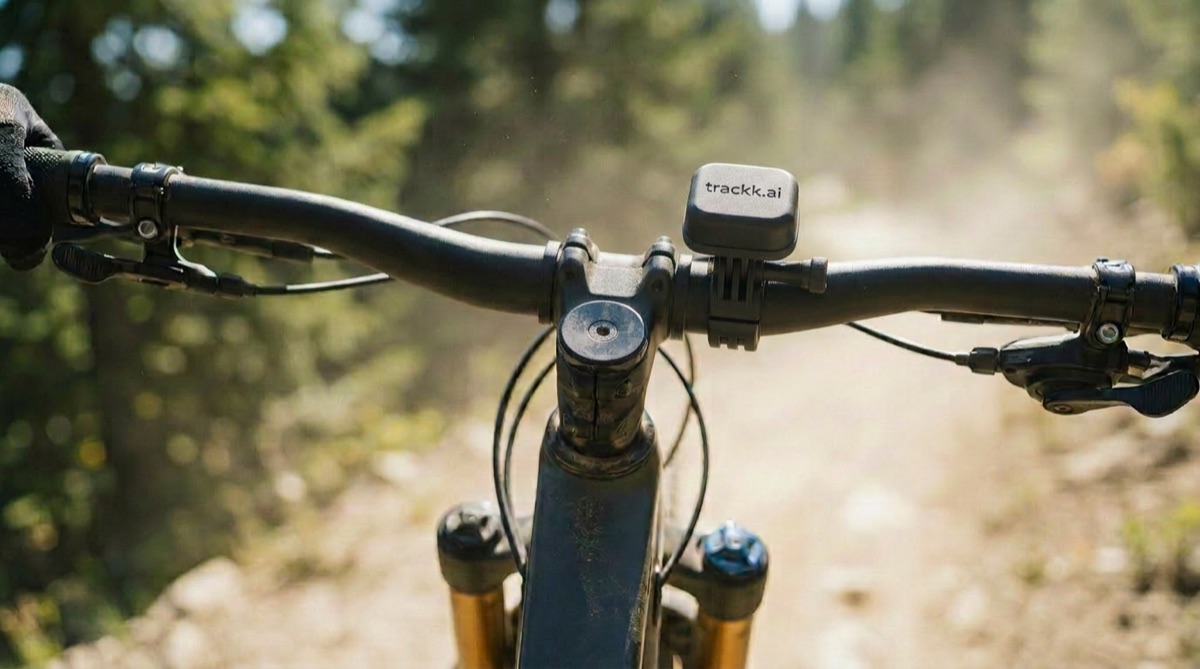
Reads every steering input — the flicks the bike itself never feels.
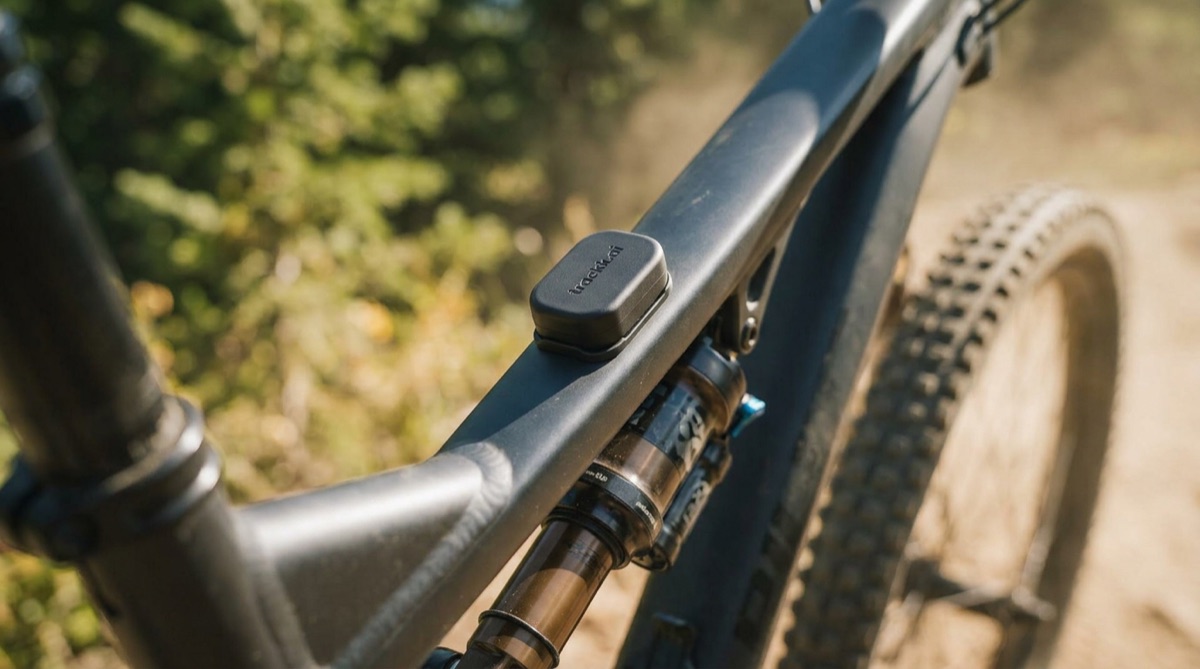
The bike's own attitude: lean, G-load, pump, airtime, the hits it takes.

Your body is half the equation — this separates rider from machine.
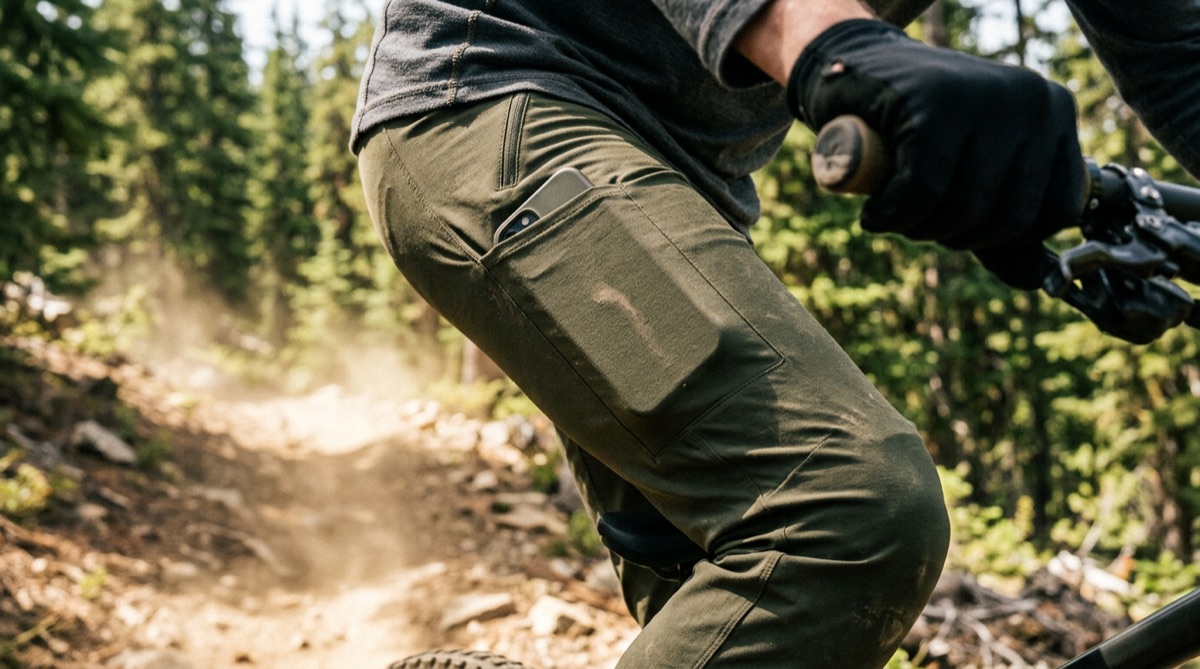
GPS, altitude, the brain — speed, slope and distance included.
Every number in the app is tagged: solid if it's physics the sensors truly see, EST if it's a well-built estimate — and if we can't measure something, it isn't in the app.
Each base set includes 3 sensors, 3 mounts, 1 charging cable, 4 dust plugs, and 3 × 3M adhesive pads. Choose one, two or three sets shipped together. View the product page for sensor specifications and placement illustrations.
MTB is not available to order. Snowboard ordering details are on the Foundry package page: available orders, the full terms, and checkout. Shipping is included to supported destinations. Foundry sets are final sale, subject to your statutory rights, and every kit carries a one-year full warranty. The exact European country list and tax and duty treatment are still to be confirmed.
No riding-data contribution is required for an invitation discount. Optional research permissions are separate and off by default.
Use the Trackk installation page for the available iOS and Android options.
All FAQs: pricing, shipping, setup & data ↗ · Contact support
trackk is built by Jay — a certified snowboard instructor and a board director at CASI, the Canadian Association of Snowboard Instructors. Years of standing on cold hills watching riders repeat the same invisible mistakes led to one conviction: the feedback riders need exists physically on every run — it just vanishes the moment the run ends.
Coaches fix what they can see. Sensors see what coaches can't: the lean you actually held, the moment your body stopped separating from the bike, the pump that earned you speed and the one that didn't. trackk puts that vision on any bike or board — thumb-sized, honest about what it measures, and built around how coaching actually works.
It's made in the mountains of Québec — summers at the bike park, winters on snow — by someone who teaches this for a living.
The same sensors, the same Foundry kit, a different set of mounts. On a snowboard Trackk reads edge angle, turn shape, pressure and timing instead of lean and suspension.